What changes the airplane today?
Pressure, temperature, loading, bank, and contamination all move the margin picture before the pilot ever starts an approach or climb.
Aeronautical Knowledge
This section is the foundation layer for the rest of the site. It turns atmosphere, altitude, lift, forces, and handling into one connected study path so later IFR and navigation pages feel mechanically clear rather than memorized.
Start Here
Use these lessons before deep weather, performance, and instrument procedure study.
Think In Systems
Pressure changes altitude, altitude changes performance, and performance changes handling margin.
Cockpit Payoff
The goal is not theory for theory's sake. It is faster, cleaner decisions in climb, cruise, descent, and approach.
Study Path
Start with the atmosphere so pressure, temperature, and moisture have a physical context.
Translate that atmosphere into usable numbers with the altitude chain.
Move into the four-force picture so control inputs have aerodynamic meaning.
Use principles of flight to connect AOA, load factor, and stability to real handling.
Finish with lift theory so the pressure, flow, and stall story all line up.
Pressure, temperature, loading, bank, and contamination all move the margin picture before the pilot ever starts an approach or climb.
Density altitude, stall margin, trim demand, and climb performance are not separate facts. They come from the same aerodynamic system.
Study it as a progression from atmosphere to altitude to forces to behavior. That sequence matches how real flight problems show up.
Topic Map
Each lesson has a different emphasis, but the point is continuity: atmosphere explains the environment, altitude and lift explain the numbers, and flight principles explain the behavior you see in the cockpit.
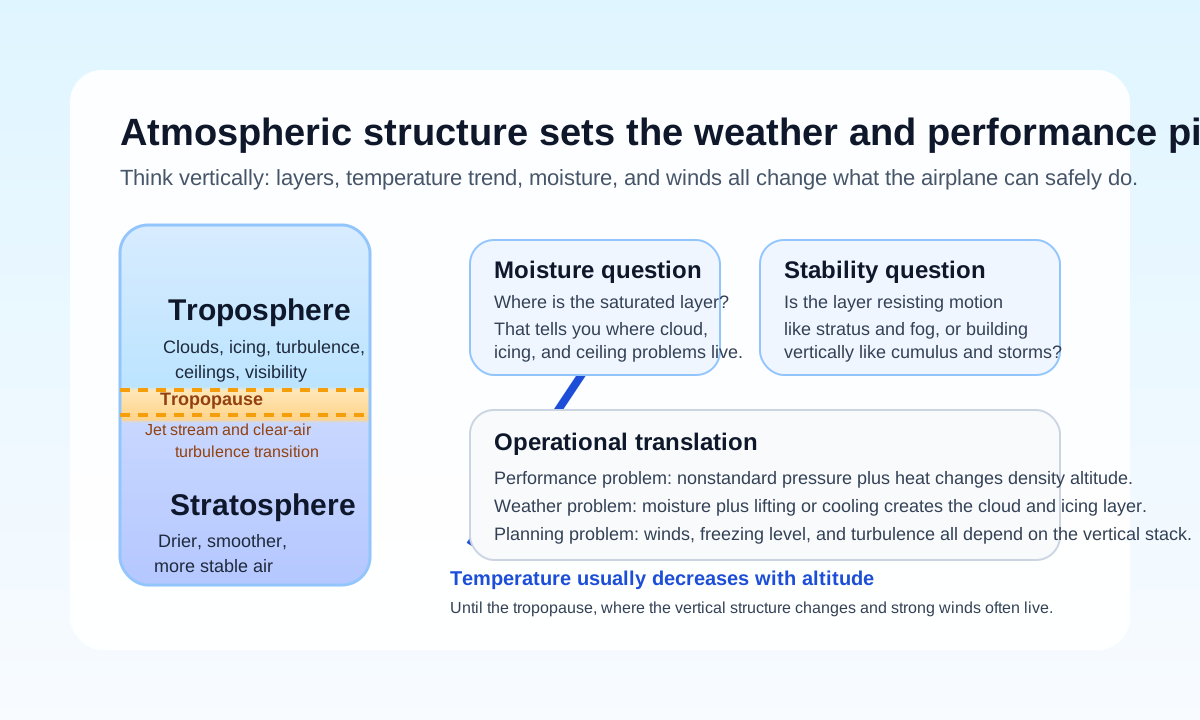
Weather frame
Layers, pressure, temperature, moisture, and stability as one vertical weather picture.
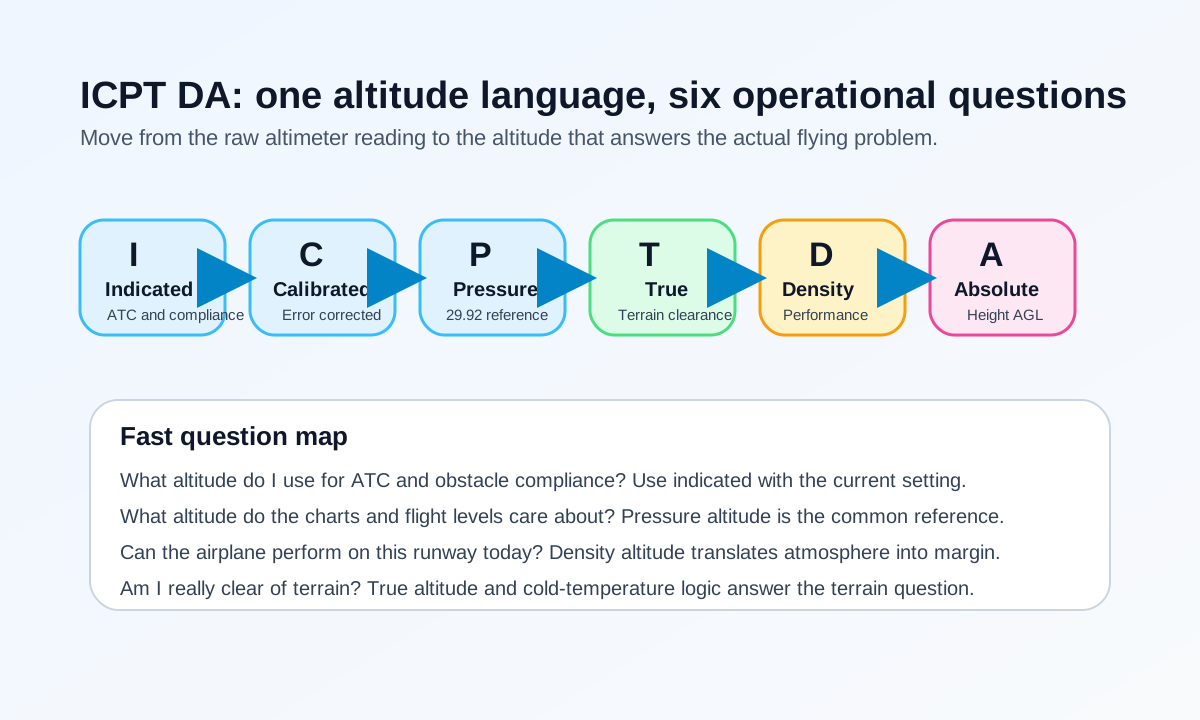
Altitude language
Indicated, calibrated, pressure, density, true, and absolute altitude in operational sequence.
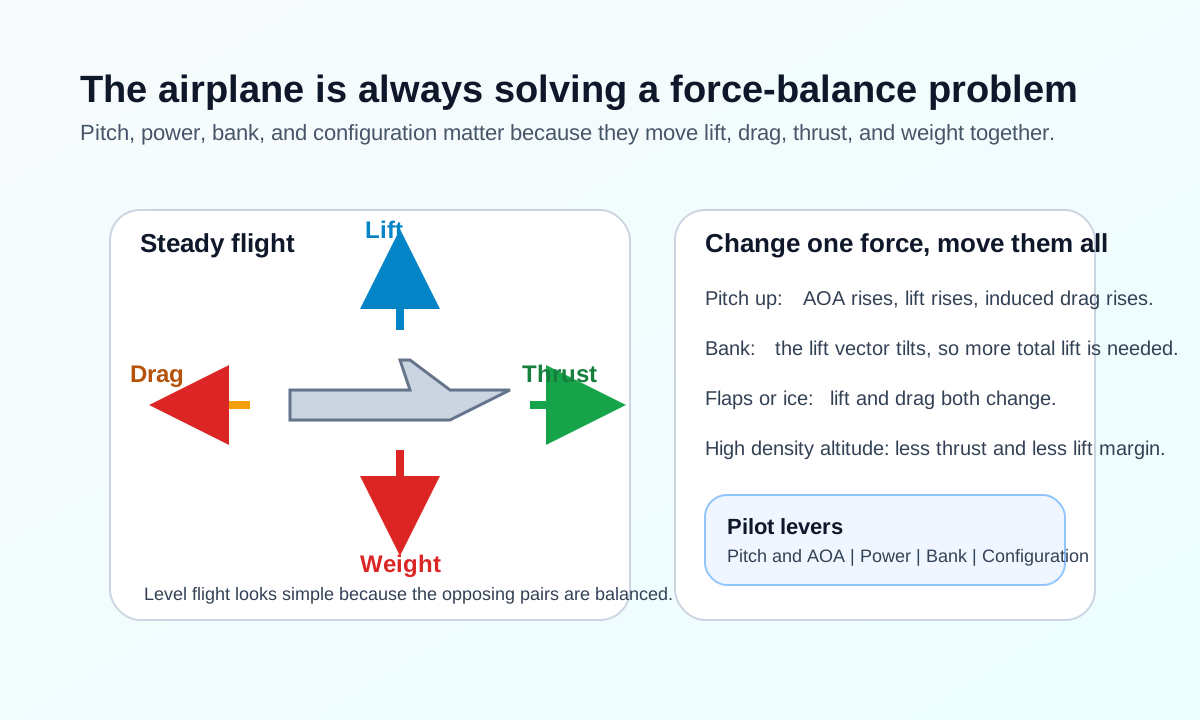
Force balance
Lift, weight, thrust, and drag as a changing balance instead of isolated definitions.
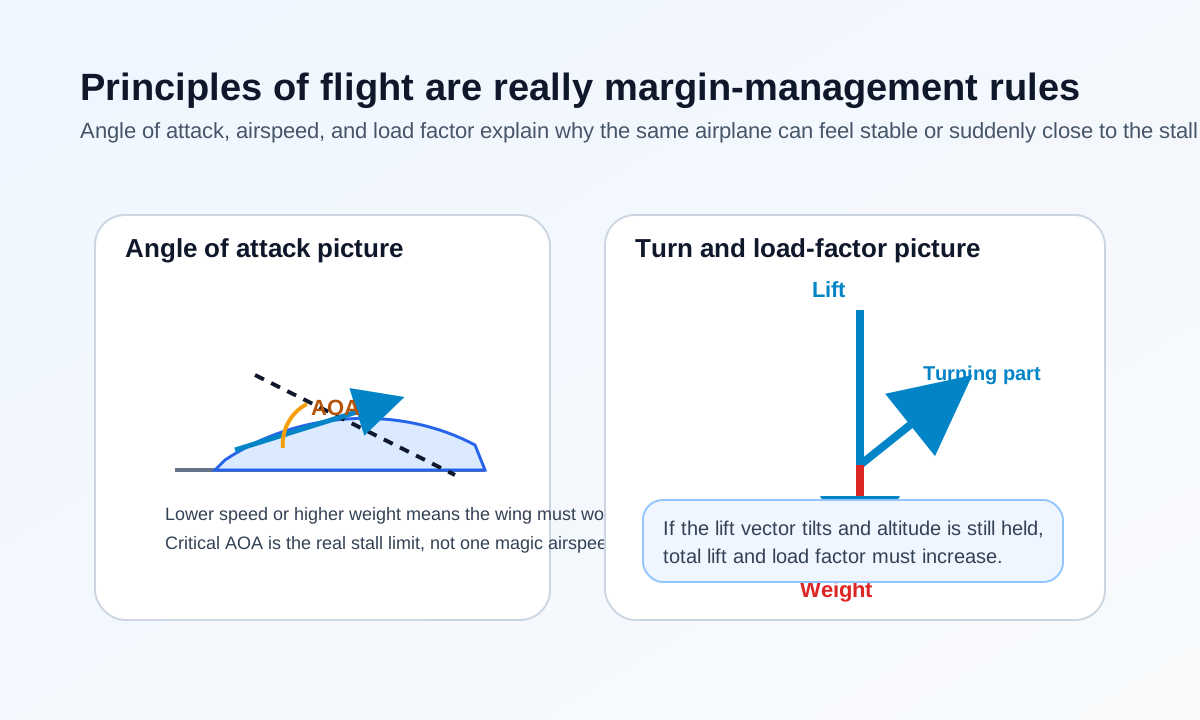
Margin management
Angle of attack, load factor, stability, and energy management in the cockpit.
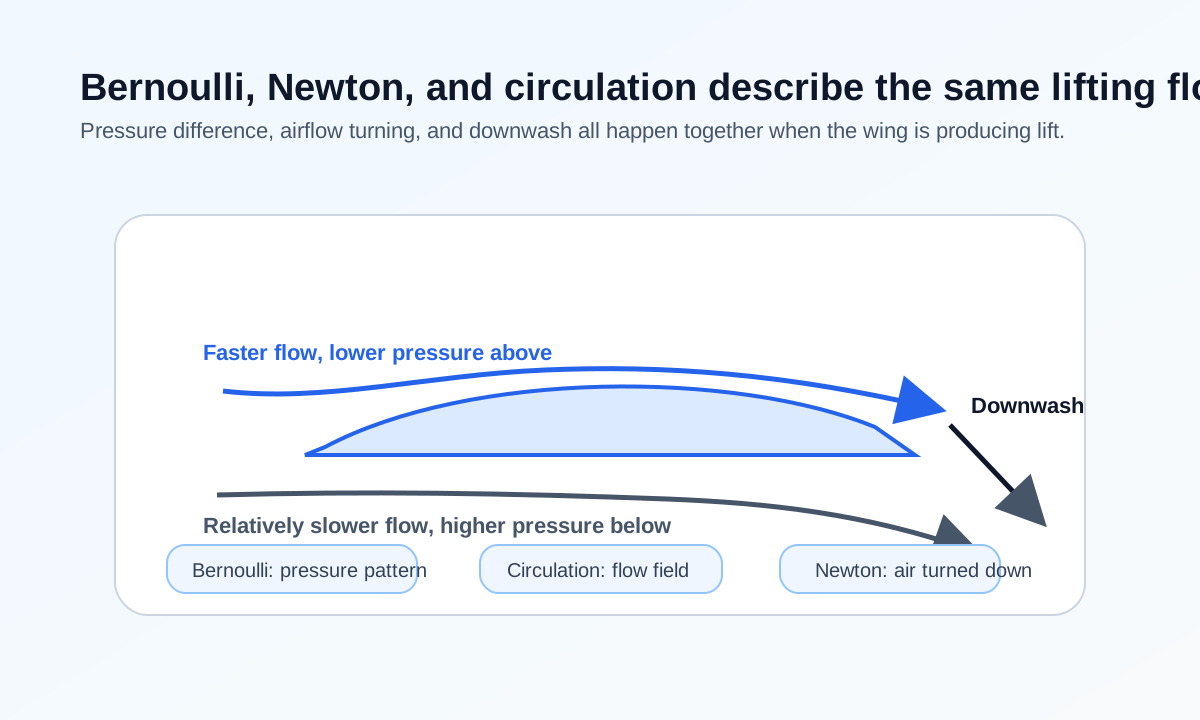
Why wings work
Bernoulli, Newton, circulation, and stall behavior tied into one useful explanation.